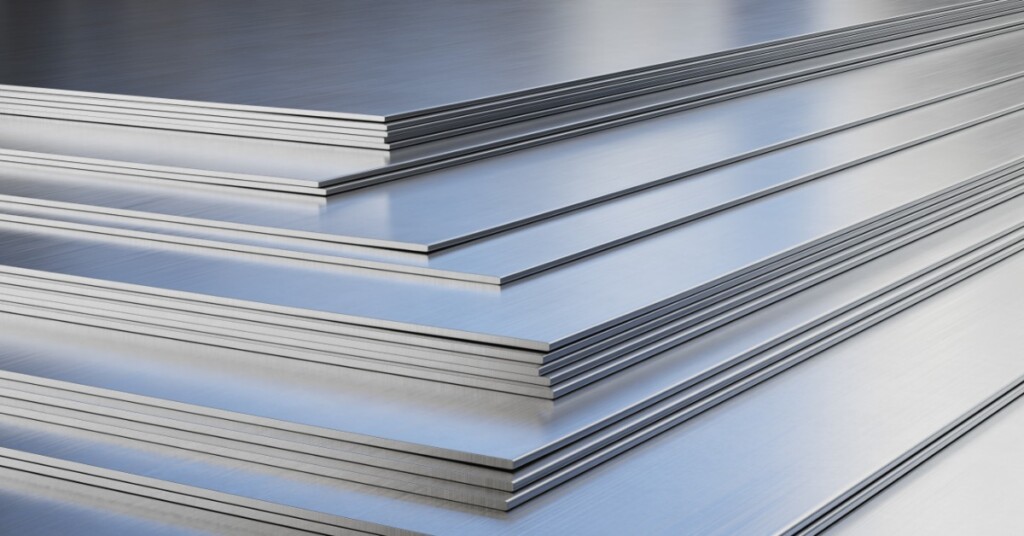
Selecting the right metal is one of the most important decisions in any fabrication project. Your choice affects the product’s structural integrity and long-term performance. It also shapes cost, lead time, and how efficiently parts move through production. For engineering teams and procurement leaders, the challenge is balancing performance with process control.
Define Performance Requirements Early
Every fabrication project starts with a clear understanding of performance expectations. The selected metal must support strength and be able to withstand environmental demands without introducing unnecessary complexity.
Engineers typically evaluate tensile strength and corrosion resistance first. Thermal behavior and weight also influence how a part performs in service. These factors help determine whether a material will support long-term reliability or introduce risk.
Material performance alone is not enough. Teams must also consider how the metal behaves during forming, cutting, and finishing. Addressing these factors early reduces the likelihood of design revisions later in production.
In more demanding environments, fatigue resistance and impact loading become critical. Components exposed to vibration or repeated stress must maintain performance over time without cracking or distortion. Evaluating these conditions early helps prevent issues in the field.

Compare Common Metals Used in Fabrication
Different metals offer distinct advantages depending on the application. Understanding how each material performs helps narrow the selection process and avoid unnecessary tradeoffs.
Aluminum
Aluminum is widely used for its strength-to-weight ratio and natural corrosion resistance. It performs well for aerospace and telecom applications where reducing weight is a priority.
It also forms easily, making it suitable for complex geometries. However, aluminum may require reinforcement features in load-bearing designs to maintain structural integrity.
Another consideration is thermal conductivity. Aluminum dissipates heat efficiently, which can support enclosure designs that house sensitive electronics.
Steel
Steel remains a primary choice for applications that demand durability and strength. Mild steel offers a cost-effective option, while stainless steel provides added protection in corrosive environments.
It is commonly used for frames, brackets, and heavy-duty enclosures. While heavier than aluminum, its strength supports demanding structural applications.
Steel also delivers consistent performance during fabrication. That consistency supports repeatable bending and welding processes, which helps maintain tight tolerances across production runs.
Stainless Steel
Stainless steel delivers both strength and resistance to corrosion. This makes it suitable for medical equipment, outdoor systems, and environments with chemical exposure.
Although it’s strong and resists corrosion, it can be more challenging to machine and form. Maintaining tight process control is essential to preserving surface quality and dimensional accuracy.
Surface finish requirements often drive stainless steel selection. In applications where cleanliness or appearance matters, it provides a durable and consistent finish.
Specialty Alloys
Specialty alloys are designed for applications that require specific performance characteristics. These may include heat resistance or enhanced fatigue strength.
They are often used in aerospace and precision manufacturing. Although more expensive, they provide targeted benefits when standard materials fall short.
In many cases, these materials are selected to meet strict operational requirements. Early coordination with a manufacturing partner helps ensure they can be processed efficiently.
Align Material Selection With Fabrication Processes
Material selection must support the processes used to manufacture the part. Cutting, forming, welding, and finishing each interact differently with various metals. Overlooking these interactions can lead to rework or inconsistent results.
Some materials respond well to laser cutting and maintain clean edges. Others require additional finishing or tighter process control. CNC machining (Computer Numerical Control machining) also places specific demands on material stability and machinability.
Key fabrication considerations include formability and weldability. Machinability and surface preparation also affect production efficiency. Aligning these factors with material selection supports consistent output.
Process sequencing also matters. The order of operations, such as cutting, forming, and welding, can influence how a material behaves. Planning these steps early helps avoid unnecessary complications during production.
Incorporate Structural Reinforcement Into the Design
Material selection alone does not determine strength. Design features and reinforcement strategies play a critical role in achieving performance targets. Engineers often improve rigidity through geometry rather than increasing material thickness.
Instead of relying on heavier materials, teams can integrate reinforcement features into the design. This approach helps maintain structural integrity while controlling weight and cost.
Common reinforcement strategies include:
- Adding bends or flanges to increase stiffness
- Incorporating ribs or beads to reduce flex
- Using gussets to support load-bearing corners
- Applying hems to strengthen edges
These techniques allow thinner materials to perform effectively in demanding applications. When applied correctly, they improve durability without adding unnecessary mass.
Placement of these features is just as important as selecting them. Reinforcements should follow natural load paths to prevent localized stress or deformation.
Evaluate Cost, Availability, and Production Impact
Material selection also affects cost in ways that go beyond the price of the raw metal itself. A material may meet performance requirements on paper, but if it is difficult to source or requires more specialized processing, it can create delays and drive up total production costs.
Raw material pricing and market conditions are part of that equation, but so are tooling demands and processing time. Some metals are easier to cut, form, or finish, while others require tighter controls that add labor and complexity.
Production volume also helps determine which material makes the most sense. A metal that works well for prototyping may not be the most efficient choice for larger runs, especially if procurement lead times are inconsistent. When teams align material selection with sourcing realities and production goals, they are better positioned to keep schedules on track and control costs over the life of the project.
Find a Manufacturing Partner Early
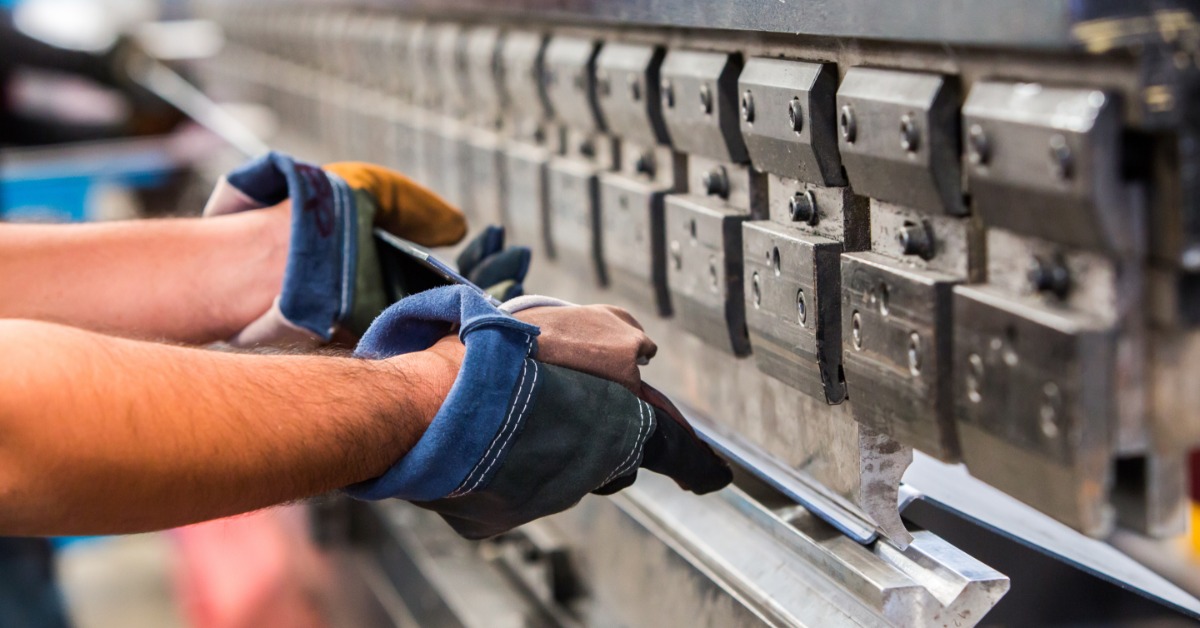
Material selection improves when engineering and manufacturing teams collaborate early. A professional sheet metal fabricator can identify risks, recommend alternatives, and optimize designs for manufacturability. This reduces delays and improves overall project outcomes.
For companies evaluating material options, working with professionals who offer in-house integration provides a clear advantage. With cutting, forming, welding, finishing, and assembly under one roof, teams maintain tighter process control and consistent quality.
Early collaboration supports better communication between design and production. It also ensures that material decisions align with real-world manufacturing capabilities.
Support Long-Term Performance Through Material Selection
Choosing the best type of metal for your fabrication project requires more than meeting initial specifications. It involves ensuring the final component performs reliably over time. Material selection directly affects durability, maintenance needs, and lifecycle performance.
A structured approach—defining performance, aligning with fabrication processes, and evaluating cost—helps to reduce risks. When combined with engineering collaboration, it leads to more consistent production outcomes.
If you’re evaluating materials for your next fabrication project, Sytech offers end-to-end manufacturing backed by ISO-certified processes and in-house integration. Connect with our team to review your design, refine material selection, and move forward with confidence.