Metal parts rarely leave fabrication ready for long-term service. Moisture and repeated wear can weaken an unprotected surface even when the component itself is well designed. The right finishing method can improve metal part durability by adding a protective layer or modifying the surface so the part can better withstand its operating environment.
Deciding on the finish you need for your metal parts depends on the base material and service conditions. Dimensional requirements and appearance goals also shape the decision. Selecting the finish early supports manufacturability, process control, and consistent production.
Powder Coating Builds a Durable Protective Layer
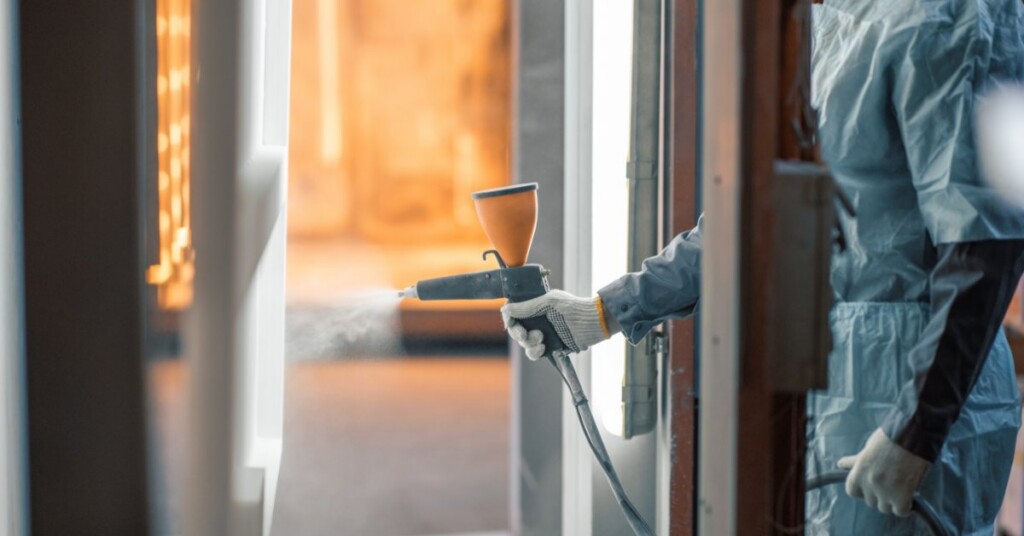
Powder coating applies a dry, electrostatically charged powder to a prepared metal surface. The part then enters an oven, where the powder melts and cures into a continuous film. This barrier helps protect steel and aluminum components from moisture, wear, and routine chemical exposure.
Surface preparation has a direct effect on coating performance. Oils, oxidation, scale, and fabrication residue can interfere with adhesion, so they must be removed before application. Consistent preparation also supports color uniformity and reduces the risk of premature chipping or peeling.
Powder coating works well for enclosures, brackets, frames, panels, and other fabricated assemblies that need protection and a controlled appearance. Manufacturers can choose from a broad range of colors and gloss levels. Textured or specialty formulations can address additional functional requirements.
Design decisions still matter. Tight clearances and threaded areas may need masking because the cured coating adds measurable thickness. Grounding points and mating surfaces often require similar protection. Addressing these details during a design-for-manufacturability (DFM) review helps preserve fit, function, and assembly efficiency.
Anodizing Strengthens Aluminum Surfaces
Anodizing is an electrochemical process that increases the thickness of aluminum’s natural oxide layer. Unlike a coating that sits on top of the part, the anodized layer becomes part of the metal surface. This improves resistance to corrosion and abrasion while preserving aluminum’s lightweight advantages.
The process is common for housings, heat sinks, structural components, and precision parts that require a stable finish. Dyes may also support color identification or appearance requirements.
Anodizing affects dimensions because the oxide layer grows into and outward from the original surface. That change may be small, but it can matter on bores, close-tolerance features, and threaded interfaces. Critical dimensions should be reviewed before finishing so the machining plan accounts for the final surface condition.
Different aluminum alloys may respond differently during anodizing. Variations in alloy composition can affect color and overall appearance. Engineers should treat finish expectations as part of the material and production plan.
Electroplating Adds Wear and Corrosion Resistance
Electroplating deposits a thin layer of metal onto a component through an electrical process. Common plating materials include zinc, nickel, copper, and chromium. Depending on the material selected, the deposited layer can improve corrosion resistance, surface hardness, electrical conductivity, or appearance.
Zinc plating is often applied to steel components that need added corrosion protection. Nickel can support wear resistance, while copper can improve conductivity. Chromium may be selected when surface hardness or a specific appearance is important.
Because plating follows the existing surface, it does not conceal machining marks or scratches. Poor preparation will remain visible and may interfere with adhesion. Parts with blind holes or recessed features may also require additional planning to achieve consistent coverage.
Dimensional control is especially important when plating precision features. The added layer can change fits on pins, holes, threads, and mating surfaces. A coordinated manufacturing plan should identify plated areas, masking requirements, and final inspection needs before production begins.
Passivation Improves Stainless Steel Corrosion Performance
Passivation is a chemical treatment used primarily for stainless steel. It removes free iron and other contaminants that may remain after machining, welding, or handling. The process supports the formation of the chromium-rich oxide layer that gives stainless steel its corrosion resistance.
This treatment does not add a decorative coating or significantly increase part dimensions. It is useful for precision components where dimensional stability matters. Assemblies that require a clean, corrosion-resistant surface may also benefit.
Passivation cannot correct every surface problem. Heat tint, heavy scale, embedded contamination, and incomplete weld cleanup may require separate preparation. The base alloy must also suit the service environment because passivation does not make every stainless steel grade appropriate for every exposure.
A controlled workflow typically includes cleaning and chemical treatment, followed by thorough rinsing and verification. Proper handling remains important after the process is complete. Contamination introduced during packaging or assembly can compromise the treated surface.
E-Coating Reaches Complex Geometries
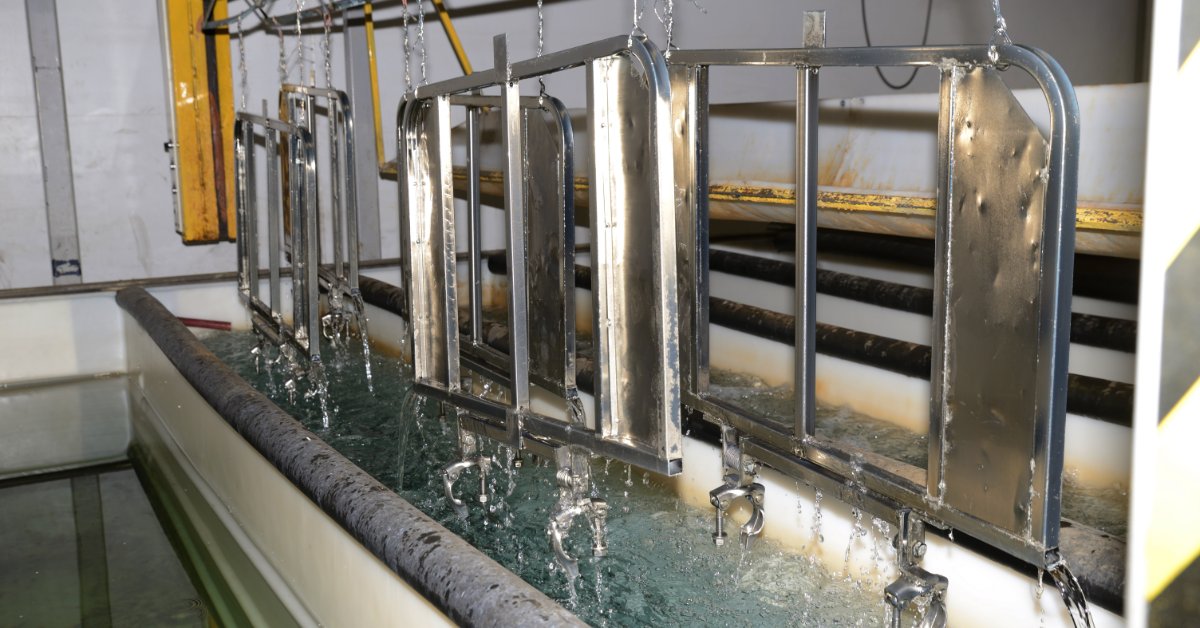
Electrophoretic coating, commonly called e-coating, uses an electrical current to deposit a protective coating from a liquid bath. The process creates consistent coverage across complex shapes and recessed areas. It is useful for assemblies that are difficult to coat evenly with conventional spray methods. After deposition, the part is rinsed and cured.
E-coating can serve as a primer or final coating where corrosion resistance matters. It also supports repeatable film thickness across properly designed parts. Its ability to reach internal surfaces benefits components with folds, channels, and some enclosed features.
Part design still affects drainage and coverage. Trapped air, sealed cavities, or areas that retain process fluid can create quality problems. Drain holes, hanging points, and rack contact locations should be considered early so the process supports reliable coating and efficient production.
Like other finishing methods that improve metal part durability, e-coating depends on disciplined preparation and curing. Cleaning and pretreatment establish the surface, while deposition and oven curing complete the protective system. Each stage must work together under controlled conditions.
How To Choose the Right Finish
No single finish is best for every metal part. Your selection should reflect the substrate and expected exposure. Wear conditions and dimensional limits also matter, while appearance or electrical requirements may narrow the options. Additionally, downstream assembly must be considered when masking or secondary machining could be necessary.
A practical finishing review should address:
- The base metal and alloy condition
- The expected environmental and chemical exposure
- The required resistance to abrasion and repeated handling
- The effect of coating thickness on fits and mating surfaces
- The desired appearance or electrical properties
- The applicable inspection and documentation requirements
Early collaboration reduces the risk of selecting a finish that conflicts with fabrication or assembly. It also helps the manufacturing team account for racking, masking, and inspections before parts reach finishing. That coordination supports a controlled production plan from initial fabrication through final delivery.
How To Coordinate Finishing With Production
A durable finish starts long before a coating or treatment is applied. Material selection and part geometry influence preparation requirements. Masking, curing, and inspections then determine whether the completed surface meets the project’s functional needs. Coordinating those decisions helps protect the part without creating avoidable fit or assembly problems.
At Sytech, we support industrial metal finishing through a full-turnkey, in-house manufacturing model. Our team collaborates with customers from DFM review through fabrication, finishing, assembly, and delivery. Contact us today to evaluate a finishing approach that supports part durability, process control, and long-term manufacturing performance.