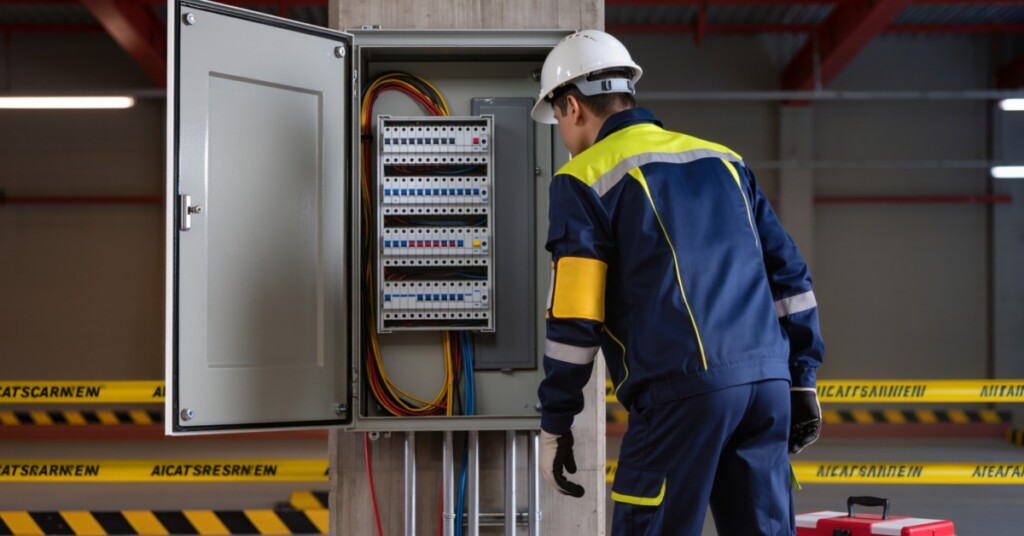
Industrial enclosures do more than hold equipment. They protect electrical systems and sensitive components from conditions that can affect performance and safety. The key differences between indoor and outdoor industrial enclosures come down to where the equipment will operate and what it must withstand over time. For engineering and procurement teams, understanding those differences helps align design with real operating conditions before fabrication begins.
Environmental Exposure Determines Material Requirements
Indoor enclosures usually operate in controlled or semi-controlled environments. They may still face dust, vibration, washdown cycles, or contact with production equipment, but they are not usually exposed to constant weather. That gives teams more flexibility when selecting materials. Mild steel or aluminum may fit one application, while stainless steel may be the better choice for another.
Outdoor enclosures face a wider range of environmental stress. Weather exposure and temperature swings can affect performance over time. Material selection must account for corrosion resistance and dimensional stability. A design that works indoors may need upgraded coatings or reinforcement before it is ready for outdoor placement.
The operating environment affects lifecycle cost. A lower-cost material may reduce the initial expense, but it can increase maintenance risk if the enclosure faces moisture or chemical exposure that it was not designed to handle. The right material supports long-term reliability, not just efficient fabrication.
Sealing Requirements Determine Ingress Protection
Indoor enclosures may need protection from dust, incidental contact, or light moisture. In many facilities, the enclosure’s location determines how much sealing is necessary. A control cabinet in a clean assembly area has different requirements than one near a washdown process. The design should reflect actual exposure rather than assumptions.
Outdoor enclosures require more deliberate ingress protection (IP) planning. Door seams and cable entries can become paths for moisture or debris. Hinges and ventilation points need the same level of review. Engineers must evaluate how the enclosure will handle moisture when exposure repeats over time.
Sealing decisions often involve coordinated details such as:
- Gasket material and compression
- Door and panel alignment
- Cable entry locations
- Drainage and condensation control
- Ventilation or filtration needs
For custom electric enclosures, the sealing strategy belongs in the early design review. Addressing it late can force rework or affect clearances. Design-for-manufacturability (DFM) support helps teams balance protection requirements with efficient fabrication and assembly.
Thermal Conditions Determine Ventilation Planning
Indoor environments often provide more predictable thermal conditions. Facility heating, cooling, and airflow can help stabilize the enclosure’s operating temperature. Even so, internal heat from power supplies, drives, controls, and other components still matters. Poor ventilation can shorten component life or create performance issues.
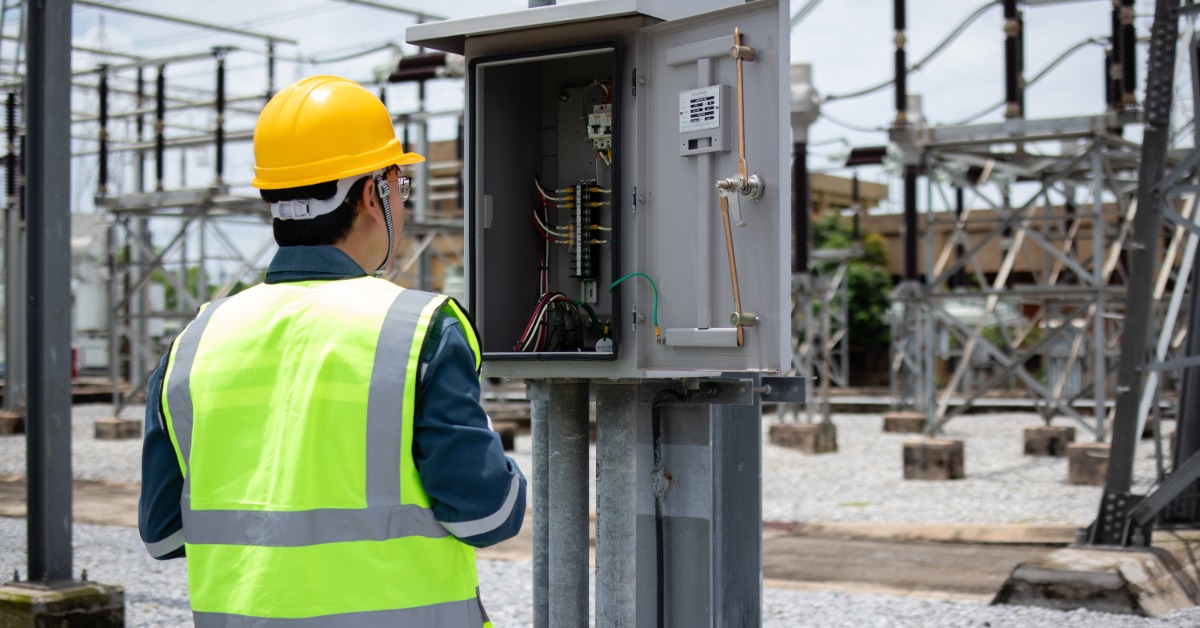
Outdoor enclosures must handle external and internal heat sources at the same time. Direct sun exposure can raise enclosure temperatures. Cold conditions can create condensation or material contraction. These swings may affect seals, coatings, wiring, and mounted hardware.
Passive cooling, filtered vents, fans, heat sinks, and other thermal strategies may be considered depending on the application. The right choice depends on heat load, enclosure placement, component sensitivity, and exposure to contaminants. Outdoor designs may require added protection so that ventilation openings do not compromise sealing.
This is one of the key differences between indoor and outdoor industrial enclosures that affects the full design approach. Indoor designs can often rely on more stable facility conditions. Outdoor designs must perform through changing temperatures and weather exposure. That difference should guide the enclosure strategy from the beginning.
The Finish Requirements Determine Corrosion Resistance
Indoor enclosure finishes often focus on durability and compatibility with the operating environment. Powder coating can provide a consistent protective surface for many industrial applications. In controlled facilities, finish performance may focus on scratch resistance and alignment with equipment branding. The finish still matters, but the exposure profile is usually more predictable.
Outdoor finishes must do more. They need to resist weather exposure and long-term surface wear. Surface preparation becomes especially important because coating performance depends on the condition of the substrate before finishing. Poor preparation can reduce adhesion and expose the enclosure to premature wear.
The Finish selection should consider several operating factors:
- Rain or standing moisture
- Chemical contact or cleaning agents
- Ultraviolet light exposure
- Color consistency requirements
- Handling during installation
In-house integration can improve control across fabrication, finishing, and assembly. When one manufacturing partner manages these steps together, engineering teams can better align material choice, surface preparation, powder coating, and inspection. That coordination supports consistent results without separating critical process steps across multiple suppliers.
Structural Demands Determine Fabrication Details
Indoor enclosures still need structural integrity. They may support internal components, mounting rails, hinged doors, operator interfaces, or access panels. If the enclosure sits near moving equipment, vibration and impact resistance may also matter. Fabrication details such as bends and hems help maintain rigidity, while welds and fasteners support proper assembly.
Outdoor enclosures often face additional structural demands. Wind and snow can affect the enclosure after installation. Transportation handling and field service access can shape the design before it reaches the site. Larger outdoor units may need reinforcement around doors, bases, lifting points, or mounting locations.
A well-designed enclosure should balance strength with manufacturability. Adding unnecessary material can increase weight and cost. Underbuilding the enclosure can create field performance risks. DFM review helps identify where reinforcement is useful and where geometry can provide stiffness without overcomplicating fabrication.
Compliance Needs Determine Design Review
Indoor and outdoor enclosures may be subject to different compliance expectations depending on the industry, installation location, and end use. Some projects require specific enclosure ratings or safety considerations. Others may need Underwriters Laboratories (UL) listed solutions when applicable. These requirements should be confirmed before design release.
Outdoor applications often place greater emphasis on environmental ratings and long-term protection. National Electrical Manufacturers Association (NEMA) ratings may be relevant depending on the project. The exact requirement should come from the application, specification, or authority having jurisdiction. Guessing at the rating can create risk.
Electromagnetic interference (EMI) may also influence enclosure design. Grounding and seam control can help manage EMI concerns when sensitive electronics are involved. These decisions should be reviewed alongside thermal needs and access requirements. They also need to support sealing expectations without creating new vulnerabilities.
Operating Conditions Determine Enclosure Planning
The right enclosure is not defined by whether it sits inside or outside alone. It is defined by the conditions it must withstand and the components it must protect. Indoor designs often prioritize controlled access and efficient fabrication. Outdoor designs place greater emphasis on weather resistance and reinforced protection.
Sytech supports enclosure projects with in-house fabrication, finishing, assembly, and engineering collaboration from design through delivery. For teams evaluating enclosure requirements, our integrated process helps align manufacturability with real-world operating conditions. Contact us to discuss your enclosure application and evaluate a production approach built around precision, reliability, and end-to-end manufacturing support.