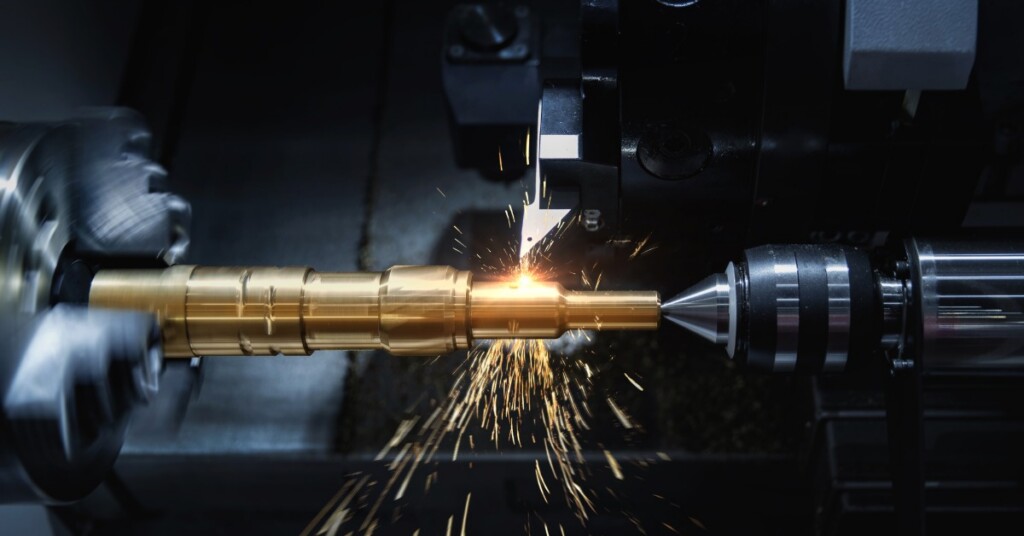
When manufacturers produce parts for demanding applications, consistency and precision are non-negotiable. Components must meet strict tolerances, maintain structural integrity, and perform reliably in real operating conditions. That’s why many engineering teams rely on advanced machining technologies to produce critical parts.
Understanding which industries benefit from CNC machining helps organizations determine whether the process fits their production requirements. From aerospace assemblies to telecommunications hardware, CNC technology plays a central role in modern manufacturing.
Why High-Performance Industries Rely on CNC Machining
Computer numerical control (CNC) machining converts digital design files into precisely manufactured components. Automated cutting tools follow programmed toolpaths to remove material from solid stock, producing parts that match detailed engineering drawings. This subtractive manufacturing approach allows fabricators to achieve tight tolerances and consistent surface finishes.
For industries working under strict engineering requirements, these capabilities provide practical advantages. Engineers can design parts knowing the machining process will reproduce complex geometries with reliable consistency. That level of control supports production runs that remain stable from prototype through full-scale manufacturing.
Another benefit is design flexibility during development. Engineering teams can revise dimensions, adjust tolerances, or refine features within a digital model and translate those changes directly into updated machining programs. This allows manufacturers to refine components during prototyping without restarting the entire production workflow.
Key benefits of CNC machining include:
- High dimensional accuracy for complex geometries
- Repeatable results across production runs
- Compatibility with a wide range of metals and engineered materials
- Reliable performance for load-bearing components
These capabilities make CNC machining especially valuable in industries where even minor dimensional variations can affect system performance.
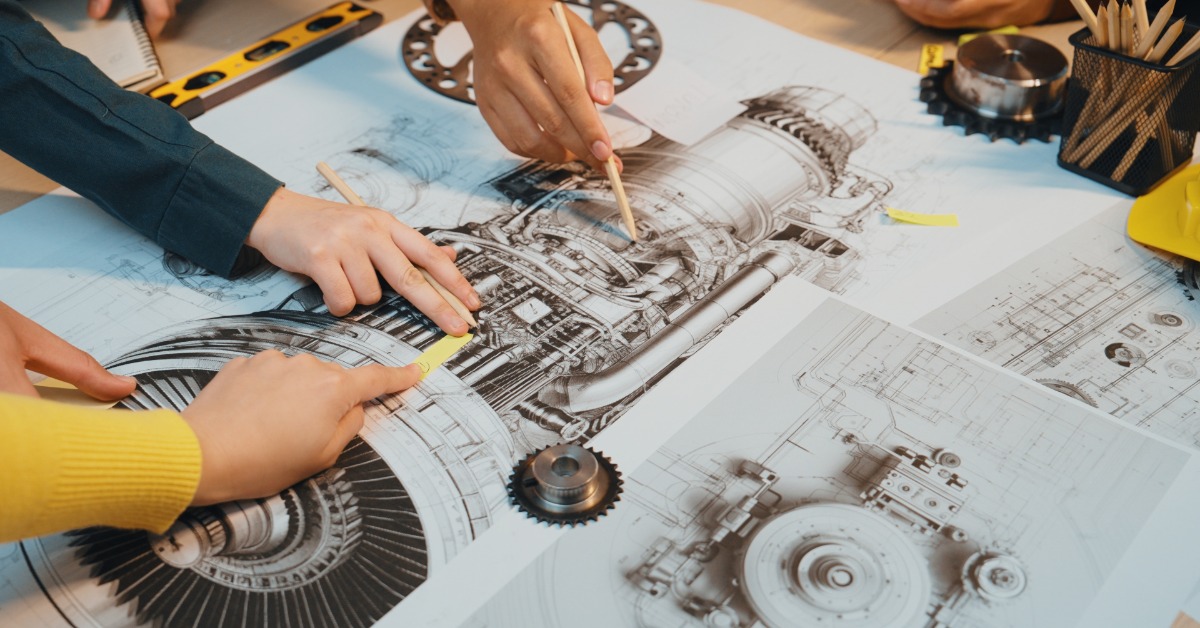
Aerospace Manufacturing
Aerospace manufacturing demands exceptional precision and strict quality control. Components used in aircraft structures, propulsion systems, and avionics assemblies must perform reliably under extreme stress, vibrations, and temperature variation.
CNC machining allows manufacturers to produce complex aerospace parts from advanced materials such as aluminum alloys, titanium, and stainless steel. These materials provide high strength-to-weight ratios, which are essential for aircraft efficiency and structural performance. Machined parts also support the tight assembly tolerances required across aerospace systems.
In many aerospace programs, machining processes must also support rigorous inspection and documentation requirements. Parts are frequently produced alongside detailed inspection records to verify that every component aligns with engineering specifications. Consistent machining processes make it easier to maintain traceability across production batches.
Common aerospace components produced through CNC machining include:
- Structural brackets and mounting hardware
- Engine components and turbine housings
- Precision fasteners and connectors
- Instrumentation mounts and avionics enclosures
Since aerospace assemblies depend on exact alignment and structural integrity, machining accuracy directly supports system reliability.
Medical Device Manufacturing
Medical device manufacturers operate within highly regulated environments where component precision directly influences safety and performance. Machined parts must meet strict dimensional requirements while maintaining clean surface finishes and reliable material properties.
CNC machining supports medical manufacturing by producing intricate parts with consistent quality. Modern machining centers maintain tight tolerances across batches, supporting traceability and repeatability in regulated production environments.
Material selection also plays an important role in medical machining applications. Manufacturers frequently work with stainless steel, titanium, and specialized alloys that offer corrosion resistance and long-term durability. CNC equipment machines these materials with careful control while preserving their structural properties.
Examples of CNC-machined medical components include:
- Surgical instrument bodies and handles
- Implantable device components made from titanium or stainless steel
- Structural housings for diagnostic equipment
- Precision connectors used in monitoring systems
Maintaining consistent tolerances ensures these components integrate correctly with other systems, supporting the reliability expected in medical applications.
Telecommunications and Fiber Optic Infrastructure
Telecommunications equipment relies on precision hardware to maintain reliable signal transmission. Fiber optic systems, communication modules, and signal processing equipment all depend on accurately manufactured components.
Precision CNC machining produces structural and mounting components used throughout telecommunications infrastructure. Precision parts help maintain an alignment between connectors, shielding elements, and sensitive electronics.
In many telecom systems, even small alignment deviations can affect signal integrity. Machined components provide the dimensional consistency needed for connectors, mounts, and interface hardware used within fiber optic assemblies and communication devices.
Examples of telecommunications components produced through CNC machining include:
- Fiber optic connector housings
- Mounting brackets and chassis assemblies
- Radio frequency (RF) shielding components
- Structural frames for communication systems
These components often integrate with fabricated enclosures and mechanical assemblies that protect electronics from environmental exposure and electromagnetic interference.
Industrial Equipment and Automation
Industrial machinery operates under continuous mechanical loads, vibrations, and demanding production cycles. Components used in automation systems must maintain dimensional stability while supporting moving assemblies.
CNC machining allows manufacturers to produce durable parts used in automated manufacturing equipment and robotics platforms. Precision machining keeps alignment surfaces, mounting features, and structural components within specification.
Manufacturers frequently rely on CNC machining for parts that interact with bearings, drive systems, and motion control equipment. Accurate machining helps maintain a proper alignment between mechanical systems, reducing wear and supporting long-term operational reliability.
Examples of CNC-machined industrial components include:
- Machine frames and structural brackets
- Gear housings and drive components
- Precision mounting plates
- Alignment components for automated systems
Since many industrial assemblies include moving parts, consistent tolerances help reduce vibrations, prevent premature wear, and maintain reliable performance.
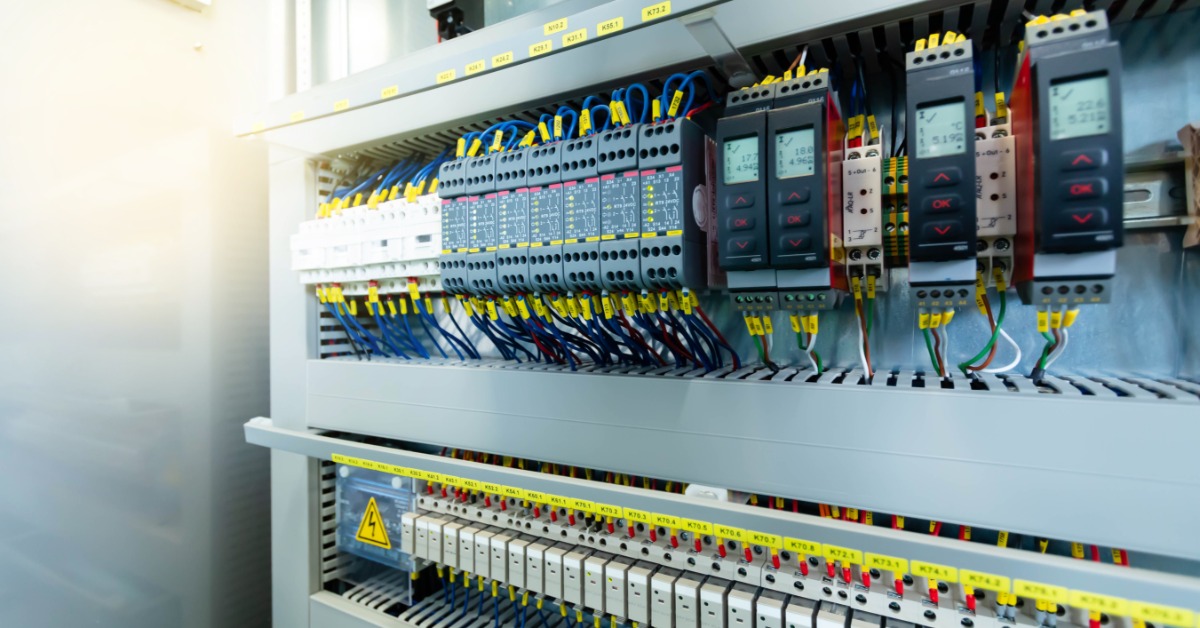
Electronic Equipment
Electronic equipment often requires protective enclosures that shield internal components from environmental exposure, vibrations, and electromagnetic interference. CNC machining supports the production of structural housings and mounting components used in electronic assemblies.
Machined components used in electronics manufacturing may include:
- Control panel housings
- Heat sink structures for thermal management
- Precision cutouts for connectors and interfaces
- Structural frames for integrated electronic systems
Thermal management also plays a role in enclosure design. CNC machining allows manufacturers to create heat sinks, vent patterns, and mounting surfaces that improve airflow and heat dissipation. These features help maintain stable operating temperatures for sensitive electronics.
These components frequently integrate with sheet metal fabrication, welding, and finishing processes. Combining machining with fabrication capabilities allows manufacturers to produce complete electronic assemblies within a controlled production environment.
How Integrated Manufacturing Improves Production Outcomes
While CNC machining produces high-precision parts, many manufacturing projects require multiple fabrication processes before final assembly. Components may move through machining, sheet metal fabrication, welding, finishing, and mechanical assembly before reaching the end user.
Working with a manufacturing partner that offers integrated, in-house production can streamline this process. Coordinating fabrication, machining, and finishing within the same facility helps maintain process control and reduces the risks associated with multiple suppliers.
Early engineering collaboration also supports design for manufacturability (DFM). During DFM reviews, engineers evaluate part geometry, material selection, and fabrication methods to simplify production while maintaining performance requirements.
For complex projects, integrated production environments also improve communication between engineering and manufacturing teams. When machining, fabrication, and finishing specialists collaborate early, they can identify potential production challenges before manufacturing begins.
Supporting Complex Manufacturing With CNC Machining
Industries that depend on high-precision components continue to rely on CNC machining as a core manufacturing process. Aerospace, medical, telecommunications, electronics, and industrial equipment manufacturers all benefit from the accuracy and repeatability that CNC technology provides.
When these industries require consistent quality and reliable production, working with an experienced manufacturing partner becomes essential. At Sytech, we provide end-to-end manufacturing services that include precision CNC machining, sheet metal fabrication, welding, finishing, and assembly.
If your engineering team is developing components that require reliable machining and integrated production support, contact us to discuss your project requirements. Our team works with you to evaluate manufacturability, refine designs, and deliver precision components that meet demanding specifications.