Finishing performance depends on what happens before the coating is ever applied. In aerospace, medical, telecom, and other precision-driven industries, weak surface preparation can lead to adhesion loss, corrosion, and rework. Our guide to preparing metal surfaces for finishing focuses on the controllable steps that protect quality from fabrication through coating. When preparation is disciplined and documented, finishing processes deliver consistent durability and appearance.
Evaluate the Base Material and Service Conditions
Surface preparation starts with the base metal and the job’s service environment. Aluminum, stainless steel, and carbon steel react differently to cleaners, abrasives, and pretreatment chemistries. Those differences affect oxidation behavior and how well a finish can bond.
Service conditions set the bar for preparation rigor. Parts exposed to chemicals, vibrations, or thermal cycling need stronger corrosion protection and tighter process control. If the surface plan does not match the environment, the coating is forced to compensate for problems it cannot fix.
Design for Manufacturing (DFM) alignment should happen early. During print review, engineers can flag surface-critical areas, define masking needs, and reduce geometry that traps chemicals or moisture. This front-end coordination helps finishing stay predictable at production scale.

Remove Oils and Shop Contaminants
Most surface failures begin with contamination that never should have reached the coating line. Machining introduces cutting fluids and fine particulate, forming uses lubricants, and welding can leave oxides that resist wetting. Even trace oils can block adhesion, and embedded dust can telegraph through industrial powder coating finishes after cure.
Common cleaning approaches include:
- Alkaline cleaning to break down oils and grease
- Solvent wiping for targeted, low-volume contamination control
- Aqueous wash systems for repeatable, high-volume throughput
Rinsing is as important as the cleaner. If anything remains on the surface, it can create fisheyes, poor adhesion, or cure issues. Controlled water quality and rinse time support consistency across batches.
Create a Controlled Surface Profile
After cleaning, the surface needs the right texture for the finish to anchor. Coatings bond best when the profile is consistent and appropriate for the material and coating type. Too smooth and the finish can shear; too aggressive and you risk dimensional change or visible roughness.
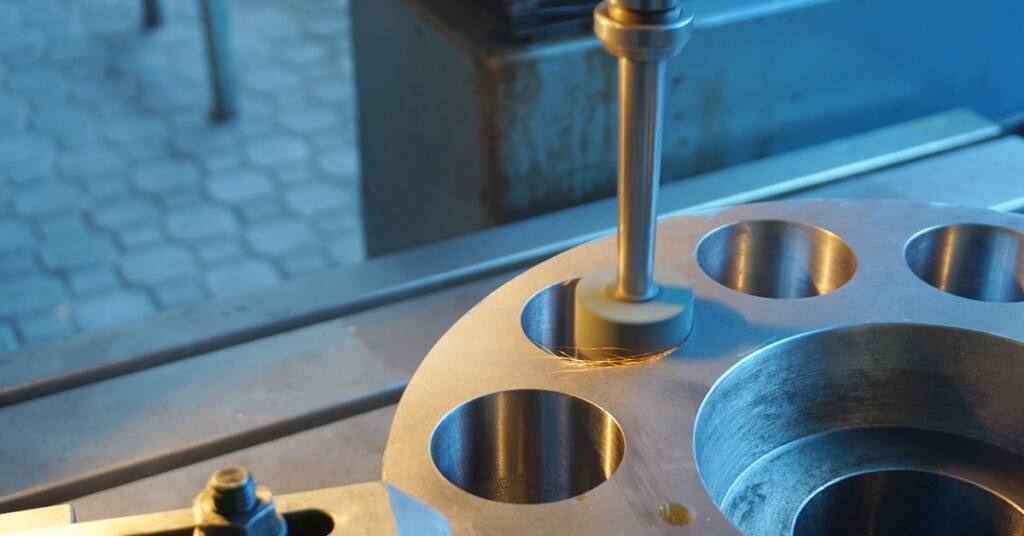
Abrasive blasting can create a uniform texture, but it must be controlled. Media type, pressure, nozzle angle, and dwell time influence both roughness and distortion risk. Thin-gauge components and tight-tolerance features require extra care.
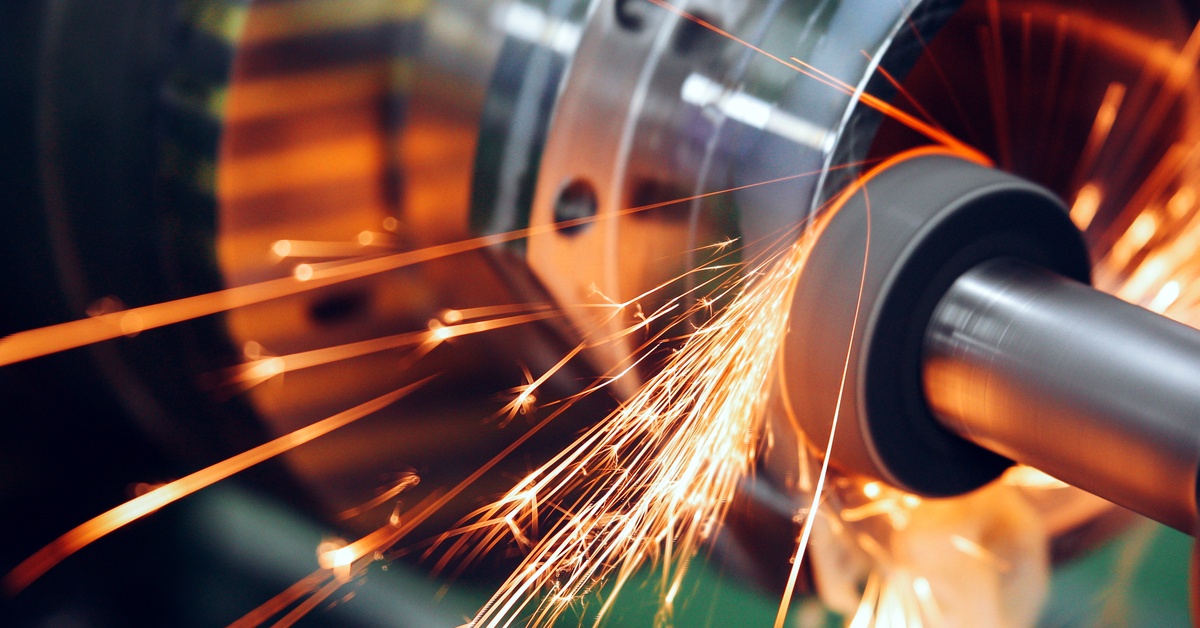
Mechanical prep is also used for localized work. Grinding, sanding, or brushing can blend welds, remove oxidation, and refine edges. The key is consistency, because mixed profiles can lead to uneven film build.
Apply the Right Chemical Pretreatment
Pretreatment is where corrosion resistance and adhesion durability are built into the surface. For many steel parts, phosphate conversion coatings help create a stable layer that supports coating adhesion. For aluminum, chromate or non-chromate conversion coatings are selected based on performance needs and regulatory requirements.
Pretreatment is process driven. Bath concentration, temperature, pH, and dwell time all affect the conversion layer. If those parameters drift, performance drifts with them, even if the coating application looks acceptable.
Parts must also support pretreatment flow. Blind cavities and tight overlaps can trap chemistry, resist rinsing, or hold moisture. Addressing drain paths and access during DFM review reduces risk.
Control Drying and Handling Between Steps
Once the surface is clean and pretreated, it can still be compromised by moisture and handling. Residual water can interfere with the cure or promote flash corrosion on steel. Drying should be controlled to achieve a stable, repeatable surface condition before coating begins.
Handling is another common failure point. Bare hands can redeposit oils, and dusty staging areas can add contaminants quickly. Use clean gloves, dedicated racks, and limit time between prep and coating whenever possible.
Inspect Surface Readiness With Objective Checks
Inspections verify that the surface is ready for coating, not just visually acceptable. For precision applications, objective checks provide repeatable evidence that preparation met the process intent.
A practical pre-coat verification sequence may include:
- Visual inspection for oxidation, residue, and handling damage
- Water break testing to confirm cleanliness and surface wetting
- Surface profile measurement with appropriate gauges or methods
- Documentation in the quality management system for traceability
Inspections should also confirm masking integrity and protection of critical features. Consistent prep data makes it easier to identify root causes when defects appear. In ISO-certified environments, those records support corrective action.
Prevent Common Defects Before They Start
Defects often show up in the finish, but they usually start in preparation. Treating the symptom at the coating step can hide the real cause and allow it to repeat. A disciplined prevention mindset reduces rework and supports predictable results.
Adhesion Loss
Adhesion loss commonly ties back to oil residue, incomplete rinsing, or an improper profile. Confirm the surface is truly clean before profiling and verify that the profile matches the coating requirements. If parts sit too long after prep, recheck for oxidation or contamination before coating.
Corrosion Under Film
Corrosion under the coating often points to weak pretreatment or trapped moisture. Ensure pretreatment parameters are controlled and that drain paths support full rinsing and drying. For steel, avoid leaving pretreated parts in humid air for extended periods before coating.
Appearance and Coverage Issues
Orange peel, thin edges, and visible defects can start with inconsistent prep and sharp features. Blend burrs, manage weld transitions, and avoid mixed surface textures on the same part. When aesthetics matter, consistent profile and careful handling are just as important as the coating application.
Integrate Preparation Into End-To-End Manufacturing
Surface preparation performs best when it is planned as part of the manufacturing sequence. Welding, machining, and forming can introduce spatter, heat tint, burrs, and sharp edges that require targeted correction. Addressing those effects upstream keeps the finishing from becoming a cleanup operation.
Coordination also matters for fixturing and transport. Parts that rub on racks or slide in bins can be damaged after prep, creating defects that appear later. Production planning should protect prepared surfaces through minimal touch points and controlled staging.
When engineering, fabrication, finishing, and quality teams collaborate, they can tune the process around the part’s requirements instead of forcing it through a generic sequence. That kind of alignment is the practical difference between a one-off fix and a thorough approach to preparing metal surfaces for finishing. That approach supports tolerance control, structural integrity, and consistent appearance across builds.
Strengthen Finishing Performance With Process Control
Surface preparation is the foundation for durable finishing. When cleaning, profiling, pretreatment, drying, and inspection work together under process control, coatings can meet performance expectations without unnecessary rework. That is how you protect durability, corrosion resistance, and visual consistency across demanding applications.
Sytech supports end-to-end, in-house manufacturing, including fabrication, welding, finishing, and assembly, backed by ISO-certified processes. If you need a partner to review surface requirements, align DFM decisions, and execute finishing with disciplined controls, contact Sytech to discuss your next program.