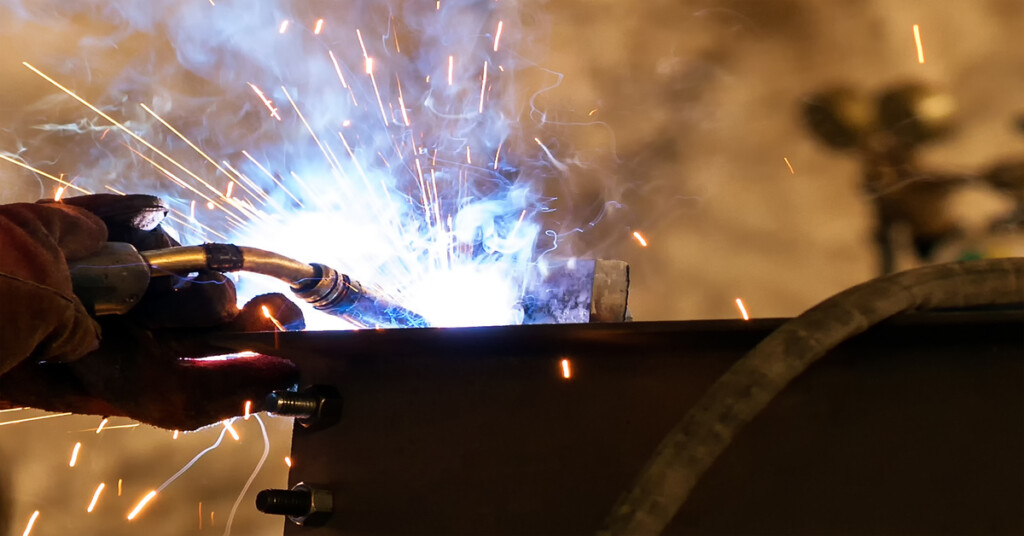
Precision at every stage of large-scale metal fabrication starts with more than careful technique; it relies on the right materials. Selecting the correct welding filler metal and understanding how it works is central to forming joints that meet the rigorous demands of aerospace, medical, and advanced industrial applications. The right filler metal transforms a routine weld into a robust, long-lived connection, directly impacting structural integrity, lifecycle performance, and operational trust.
What Is the Purpose of Filler Metal?
Filler metal serves as an engineered bridge between base metals, becoming a core element of the joint during welding. Once introduced into the weld pool, it melts, fuses with the base materials, and then solidifies into a unified, high-strength bond. This process makes the joint as resilient and sometimes stronger than the original metals. This is a non-negotiable requirement for critical or load-bearing assemblies.
But filler metal does more than close a gap. Depending on its alloy composition, it can enhance corrosion resistance, mechanical strength, ductility, or other properties that define the weld’s suitability for specialized service environments. By choosing the right formulation, fabricators achieve highly controlled results that stand up to strict regulatory and service demands.
How Do You Select the Right Filler Metal?
Filler metal selection is never arbitrary. It is a technical decision shaped by the project’s blueprint, production process, and service environment. Matching the right filler metal to the job mitigates risks such as weak joints, fractures, or costly rework down the line.
Key selection criteria include:
- Base Metal Compatibility: A chemical and structural alignment between the filler and parent metals is critical to prevent defects.
- Welding Process: MIG, TIG, and stick welding each require filler metals suited to their specific thermal and deposition characteristics.
- Mechanical Properties: Final assemblies must meet rigorous standards for tensile strength, fatigue resistance, and ductility.
- Service Environment: Whether parts will encounter chemical exposure, temperature cycles, or outdoor climates determines which alloying elements are preferable.
In high-precision welding fabrication, every input matters. An expert understanding of how each component interacts ensures repeatable outcomes, a tight adherence to drawings, and full compliance with industry standards. Filler metal is not merely an accessory; it is a functional design element dictating joint reliability and lifecycle cost.
What Are the Most Common Filler Metals?
Qualified filler metals come in distinct forms, each matched to particular fabrication methods and production scales. Commonly, MIG welding operations use carefully formulated spooled wires, while TIG and stick applications rely on cut-length rods with stringent chemical profiles. Leading manufacturers certify each batch to maintain traceability and performance consistency, critical in industries where quality cannot be compromised.
Understanding what welding filler metal is and how it works gives you a major advantage in metal manufacturing. When you know what to use and how to use it, every weld comes out with precise strength and lasting quality. The right filler metal selection and application drive the success of every weld you make.