CNC machining turns digital blueprints into precise, physical components. These machines rely on movement across multiple axes to shape raw materials, but the way they operate can make all the difference. If you’re deciding between machine types, you need a clear understanding of the differences between 3-axis and 5-axis CNC machining and how each impacts your project.
The real difference comes from how each machine moves the cutting tool and the workpiece. Those motion capabilities affect the kinds of parts you can make, how much manual labor you’ll need, and ultimately, how efficiently you can manufacture. Choosing the right setup ensures your components meet every engineering standard and quality benchmark.
What Happens During 3-Axis Machining?
With 3-axis machining, the cutting tool moves along three directions: X (side to side), Y (front to back), and Z (up and down). The workpiece stays in one place while the tool travels these paths, making it a strong option for straightforward parts that don’t demand detailed work on every surface.
For many standard parts, such as brackets, basic housings, and plates, 3-axis machines are a smart choice. However, since the workpiece stays stationary, you’ll often need to set up the part multiple times to reach all the machining angles you want. Each new setup adds a bit of time and risk to the job, and those extra tweaks can affect your efficiency and quality.
What Makes 5-Axis Machining Different?
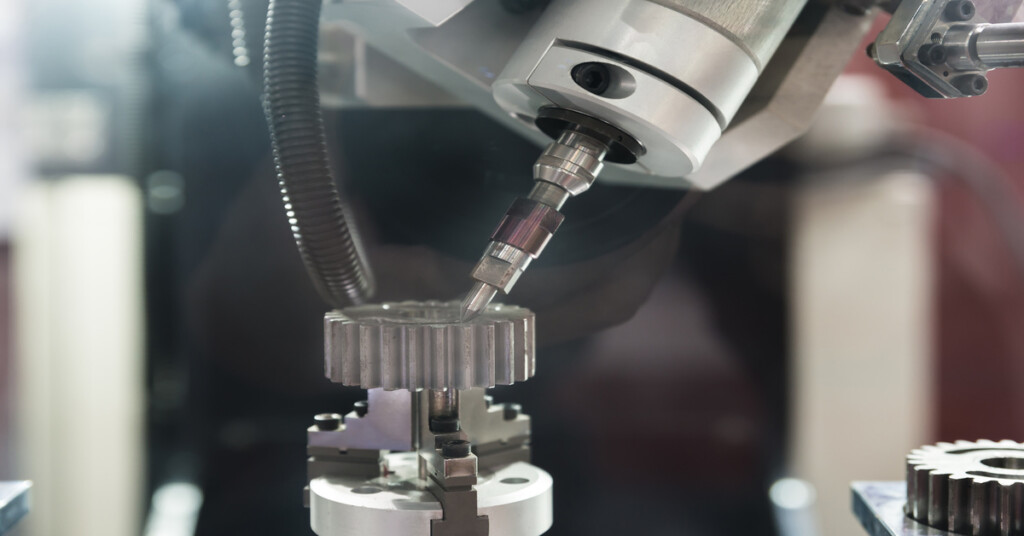
5-axis machines take those same three directions and add two more: rotation around the X and Y axes, called A and B. That means you can tilt and rotate the tool and the workpiece, giving you access to five of a part’s six sides in one go.
If you’re building advanced components for aerospace or medical applications, you’ll find 5-axis machines invaluable. Some of the main advantages include:
- Cutting lead times because you often finish a part in one setup
- Achieving cleaner, more consistent finishes with better tool angles
- Creating complicated geometries, like channels, undercuts, and accurate 3D contours
Which Machine Fits Your Project?
3-axis machines handle flat or straightforward designs with ease, making them a top pick for cost-effective jobs. On the other hand, 5-axis machines shine when you’re working with deep cavities, curved surfaces, or parts with intricate details that require absolute precision.
When you deal with complex shapes or tight specifications, the ability to machine your part in just one clamping pays off. It eliminates most alignment errors, which are a major risk during repeated repositioning. For operations that demand precision CNC machining, this level of accuracy isn’t just a bonus—it’s standard procedure.
How Do You Decide?
Your decision comes down to part complexity, required tolerances, budget, and materials. If your parts are simple enough, a 3-axis machine can save money and deliver reliably. But if you need intricate designs, flawless finishes, and high efficiency, a 5-axis machine is the edge you’re looking for. Understanding the difference between 3-axis and 5-axis CNC machining gives you the insight to make an informed choice for your next project.